Suitable for every Land Rover
Every model. Every generation.
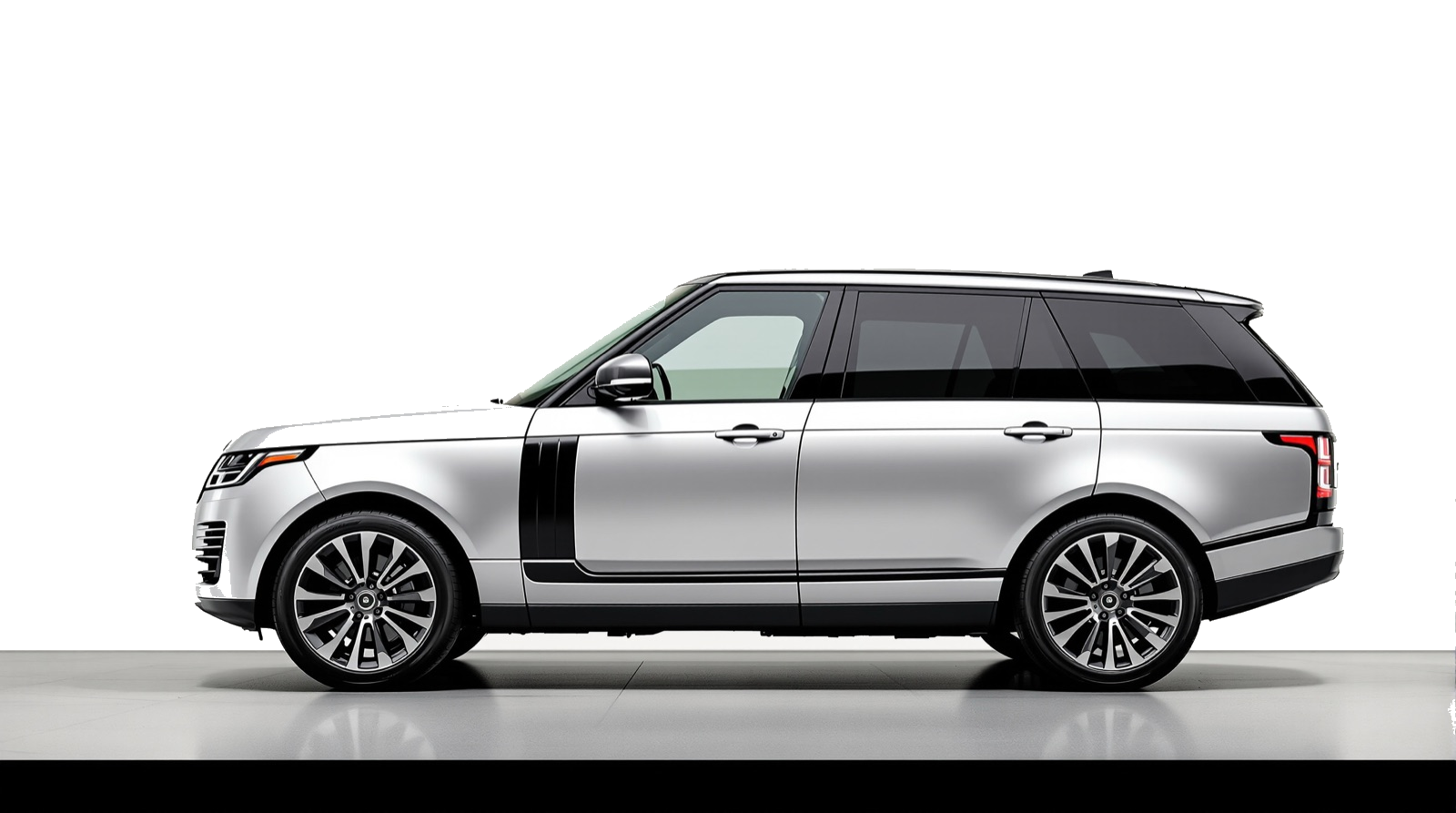 Range Rover
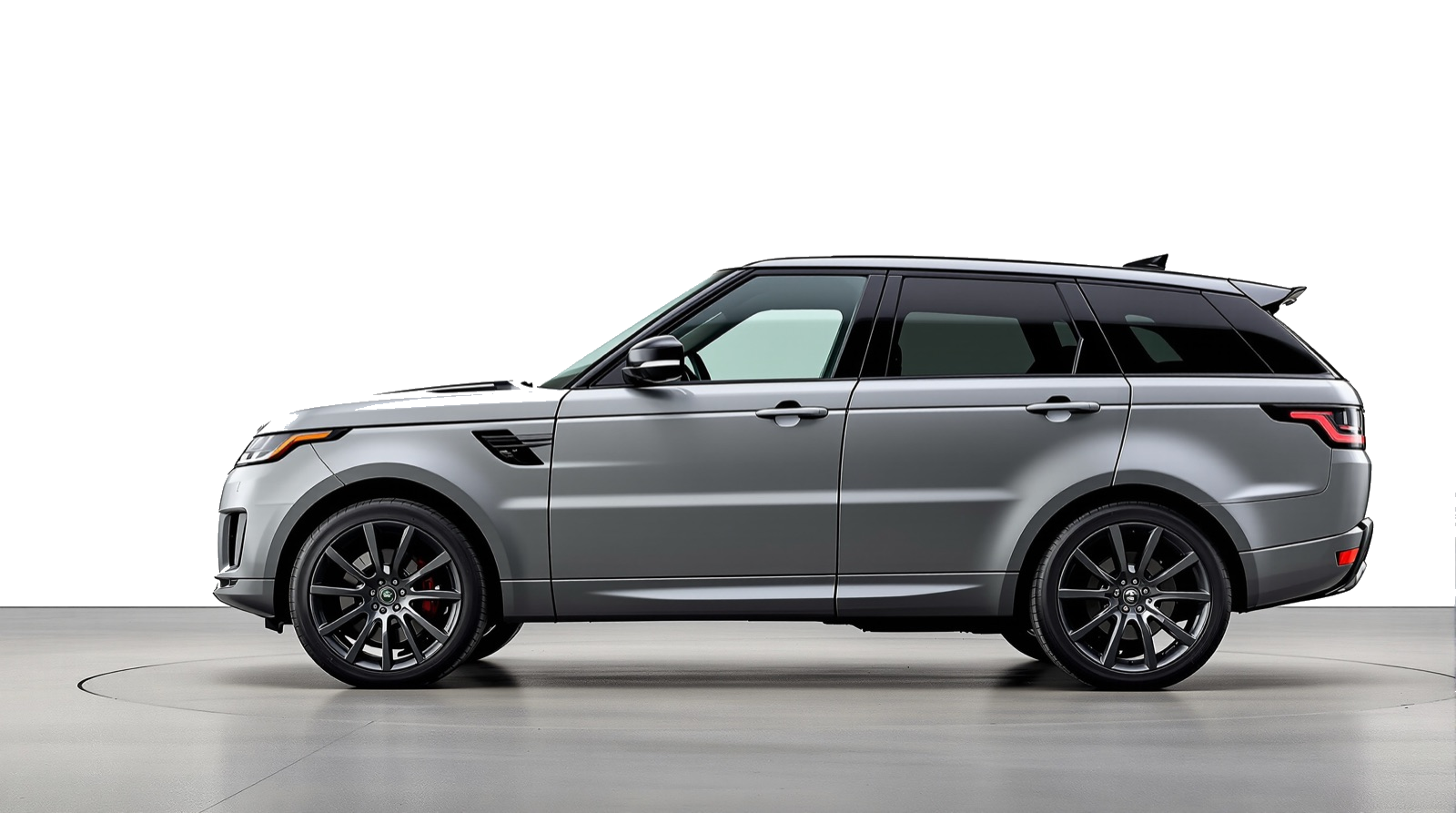 Range Rover Sport
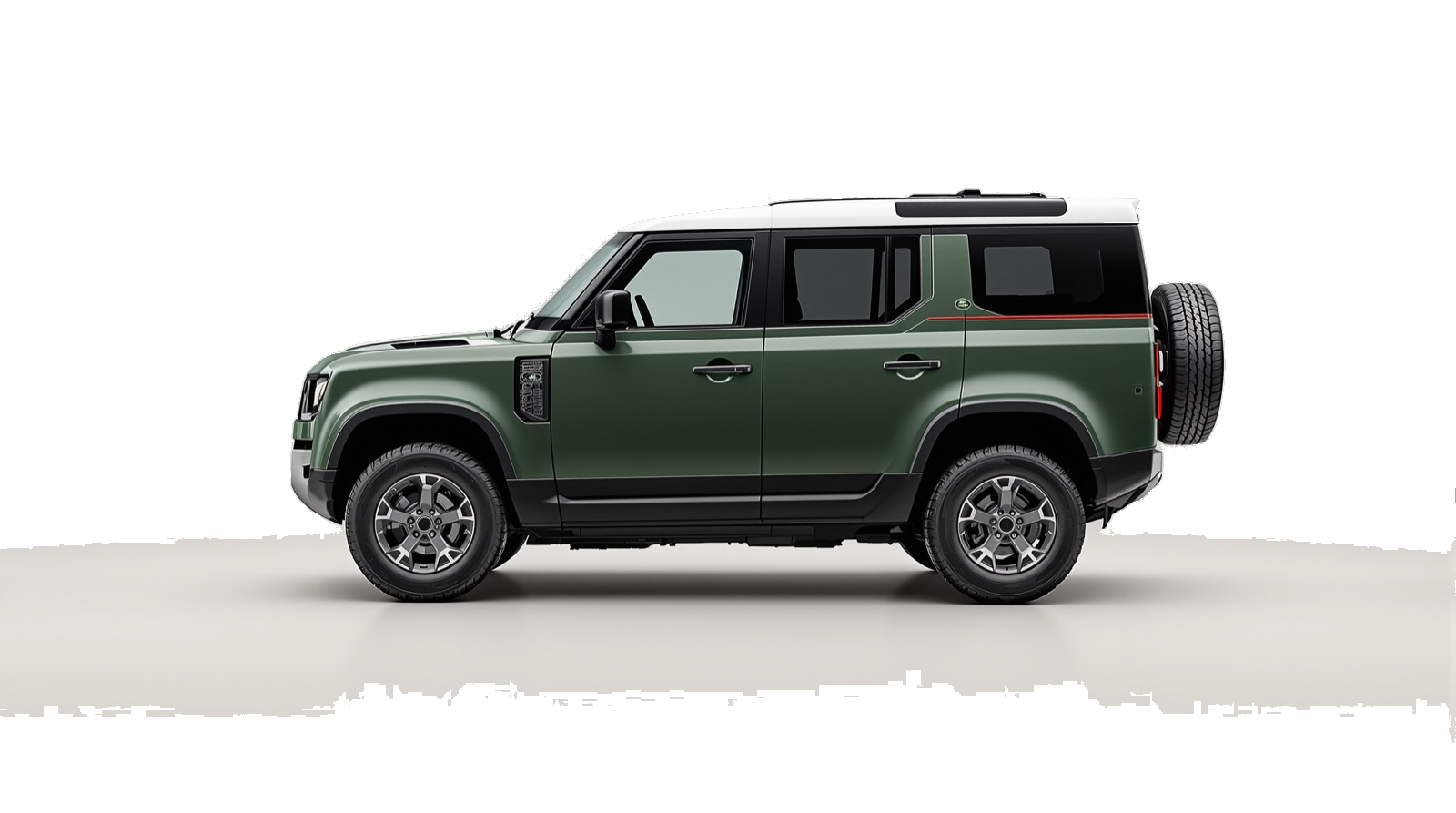 Defender
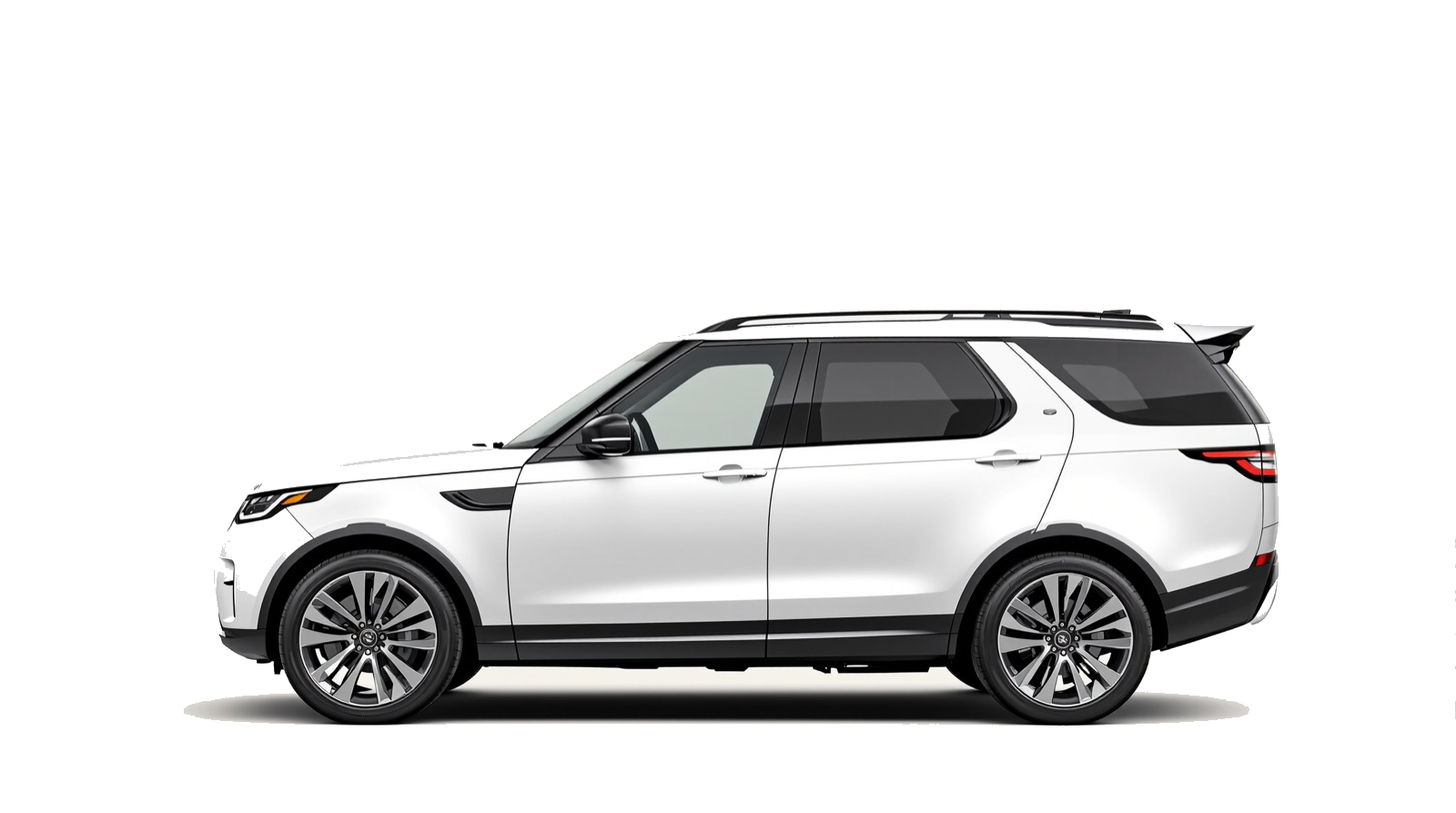 Discovery
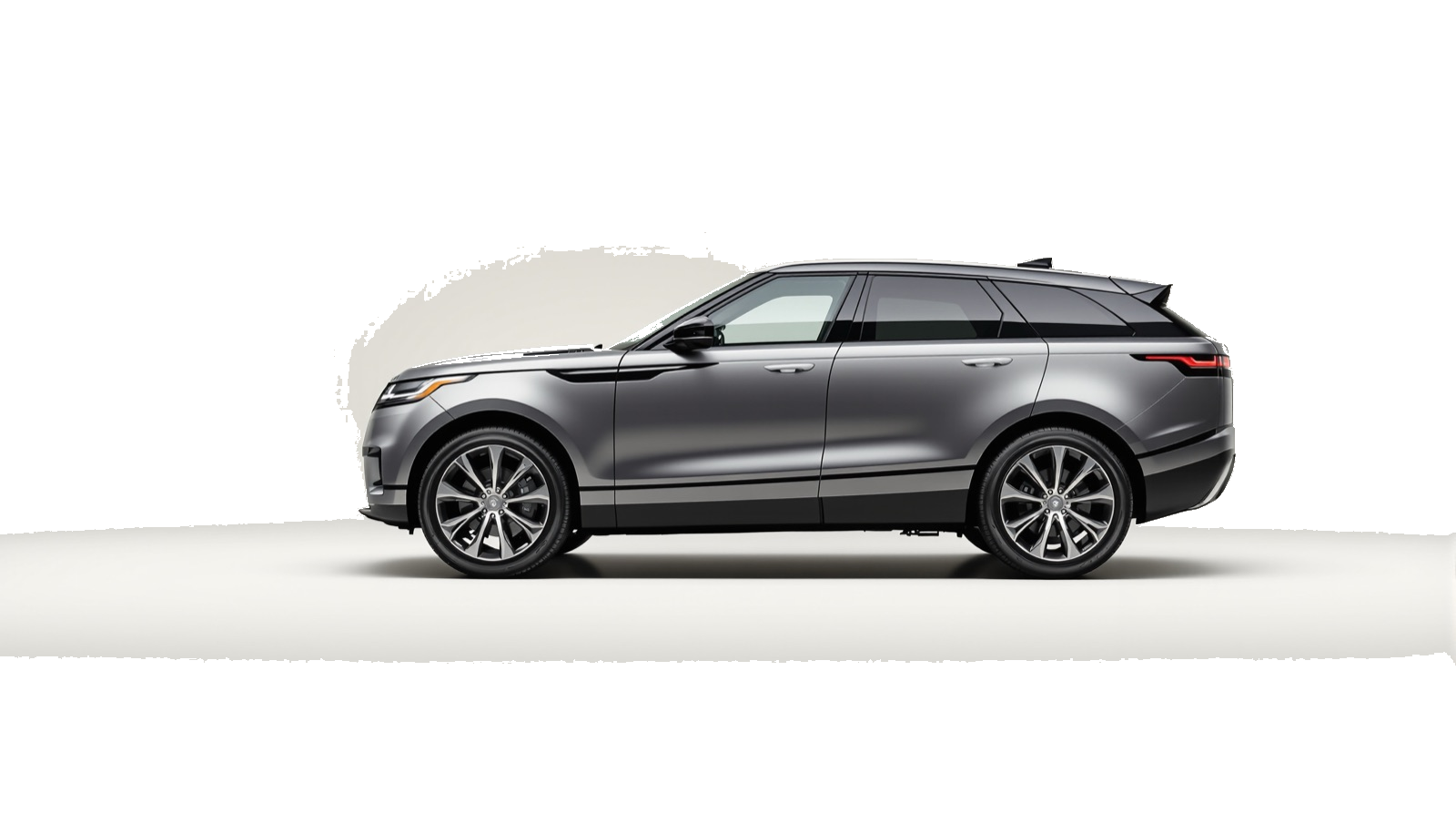 Velar & Evoque
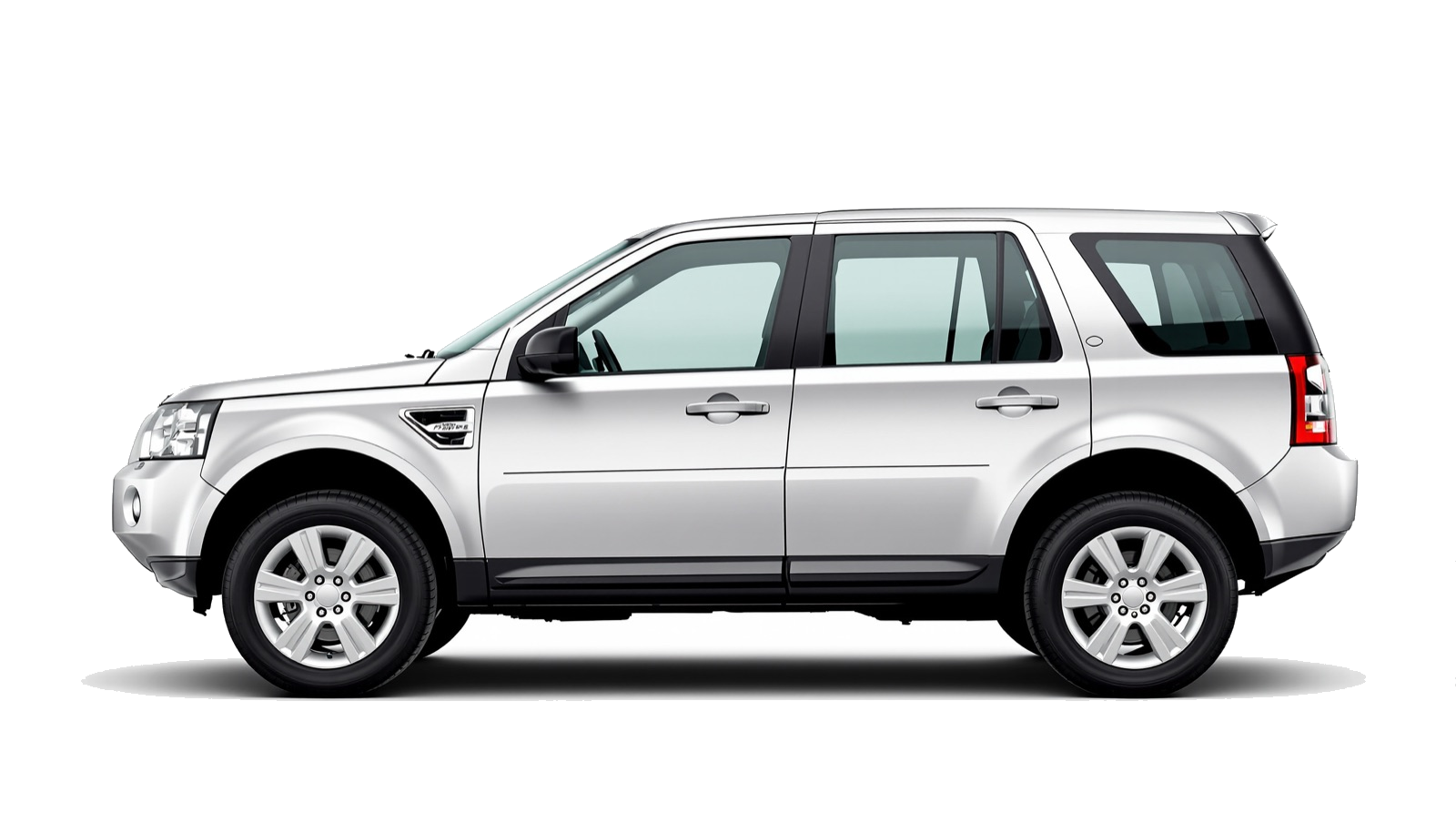 Freelander
Land Rover engine rebuilds are the kind of job where shortcuts come back to haunt you in eighteen months. We strip them properly, measure everything, replace what's worn, and put them back together to factory torque — not what feels right.
A logbook service handles 95% of what an engine needs. The remaining 5% is the work we're known for: bottom-end overhauls when bearings have failed, top-end rebuilds when timing chains have skipped, turbo replacements when the wastegate has stuck, supercharger snout bearings on the 5.0 V8.
Engine work is where dealer-quote shock is loudest — the dealer's number for a TDV6 rebuild is often $18–25k. Ours, where viable, comes in at half that. And sometimes a rebuild isn't even what's needed; we've saved a lot of customers from an unnecessary engine job because the actual problem was a $400 EGR cooler or a coolant leak from a thermostat housing.
That's where the dealer goes immediately. Most smoke on a TDV6 is the turbo, not the engine. Most oil consumption on the 5.0 V8 is valve stem seals, not bottom-end wear. Diagnose first.
We compression-test, leakdown-test, scope every cylinder. Half the engines we're sent for a 'rebuild' actually need a turbo, valve seals, or an injector job — a fraction of the cost. The other half genuinely need the bottom end, and we'll tell you.
Compression test, leakdown test, oil sample analysis, scope each cylinder. We give you a written report on the engine's actual condition — not a panic quote.
Crankshaft, bearings, pistons and rings. Block honed, all clearances measured, OEM bearings and rings, factory torque. Done once, done right.
Head removal, valve service, timing chain replacement, head bolts to spec. The 5.0 V8 supercharger snout is part of this on petrols.
OEM turbo, oil-feed inspection, intercooler clean — most TDV6 turbo failures are caused by dirty oil from a missed service. Fix the cause, fit the part.
TDV6 / SDV6 timing chain replacement — tensioners, guides, chain itself. Time-consuming but vital on aged engines.
Where rebuild isn't economic, we source a low-km second-hand or remanufactured engine and fit. Cheaper than rebuild, faster than waiting for parts.
Range RoverRange Rover SportDefenderDiscoveryVelar & EvoqueFreelanderLand Rover engines fail in patterns. Here's what we see and what each one usually turns out to be — before you commit to a rebuild.
Valve stem seals — common on aged 5.0 V8s. Top-end job, not bottom-end. Much cheaper.
Fuelling, EGR or turbo. Scope the boost pressure and injector duration before condemning the engine.
Bearing failure or piston-pin wear. This is genuinely engine-rebuild territory — oil sample analysis confirms severity.
Head gasket or EGR cooler. Pressure test tells us which — one is $1,500, the other is $6,500.
Oil cooler internal failure or head gasket. $400 oil cooler vs $6,500 head gasket — diagnose carefully.
Boost leak, partial DPF block, or worn injectors. Datalog under load reveals which — rarely a rebuild fault.
Timing chain tensioners failing. Caught early, chain service. Caught late, valves hit pistons — full rebuild.
Snout bearing on the way out. Snout-only rebuild saves the whole supercharger.
Compression test, leakdown, oil sample, scope each cylinder. Before we commit to anything, we know exactly what's worn and what's still serviceable. Written report.
Engine out, fully stripped, every component measured against OEM spec. We tell you precisely what's outside tolerance and what's reusable. Honest call on rebuild vs replace.
OEM bearings, OEM gaskets, OEM rings. Block hone to spec, plastigauge bearing clearances, torque every bolt to factory spec. Then run it on the stand before it goes back in.
"Coolant in the oil on my Evoque. Dealer quoted $18k for an engine replacement. I was ready to scrap it. A mate told me to ring Michael first. Turned out to be a cracked oil cooler, not a head gasket. He pressure-tested everything before condemning anything. Got my car back for less than a tenth of what the dealer wanted. Still running strong two years later."
Compression test, leakdown, oil analysis — about $400 of diagnostic work that often saves $15,000 of unnecessary engine work. Worth the call.