Suitable for every Land Rover
Every model. Every generation.
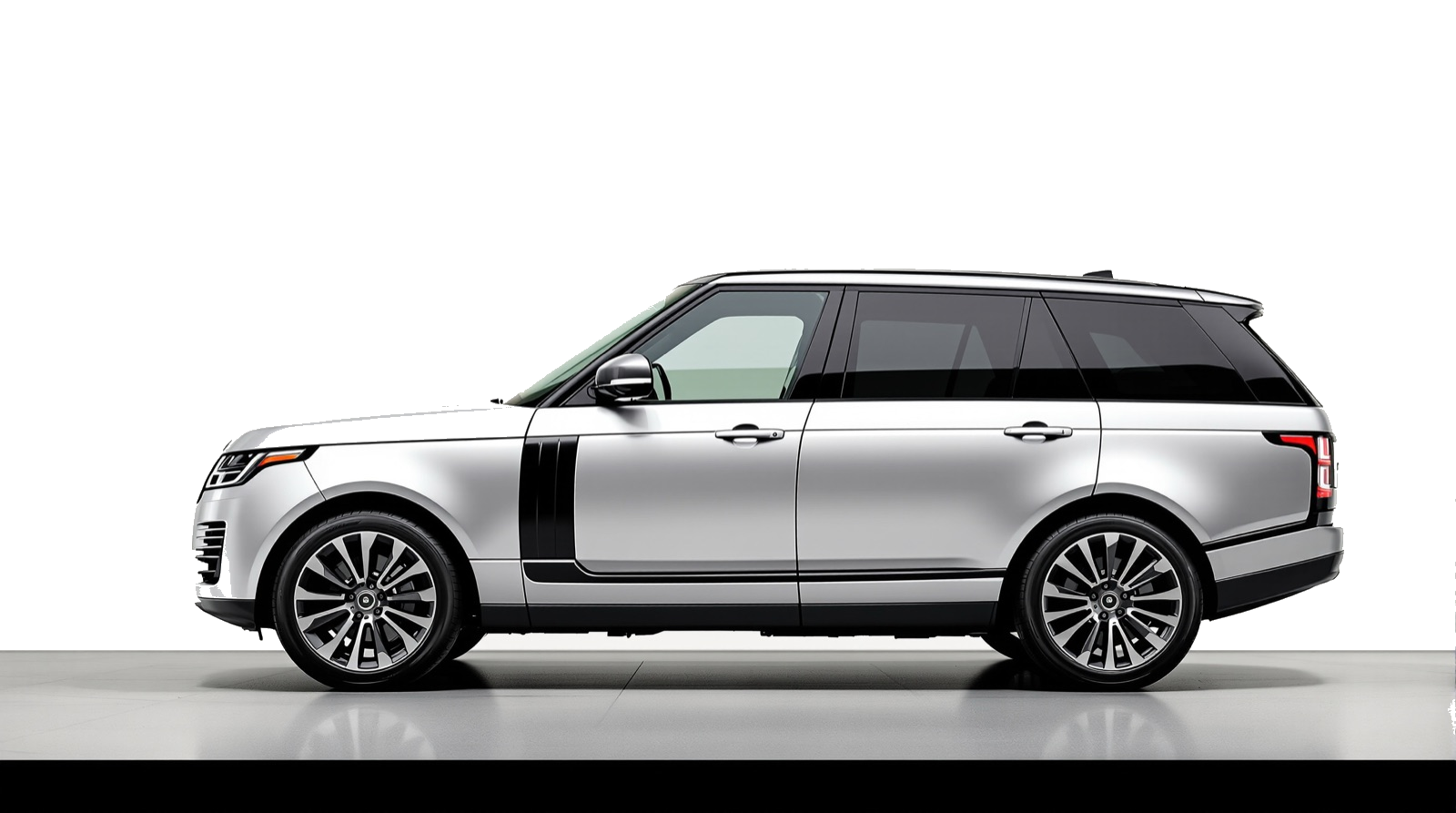 Range Rover
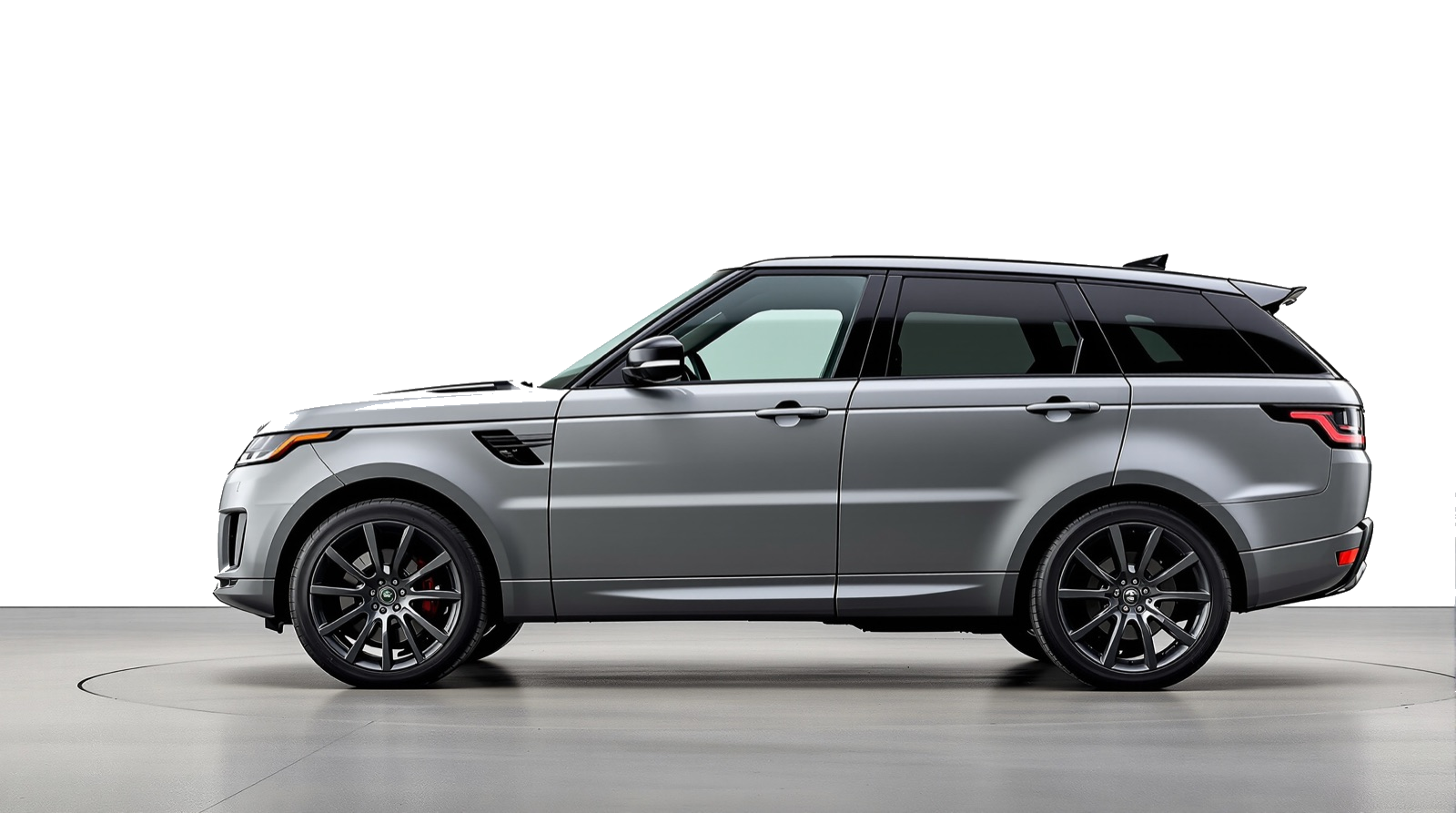 Range Rover Sport
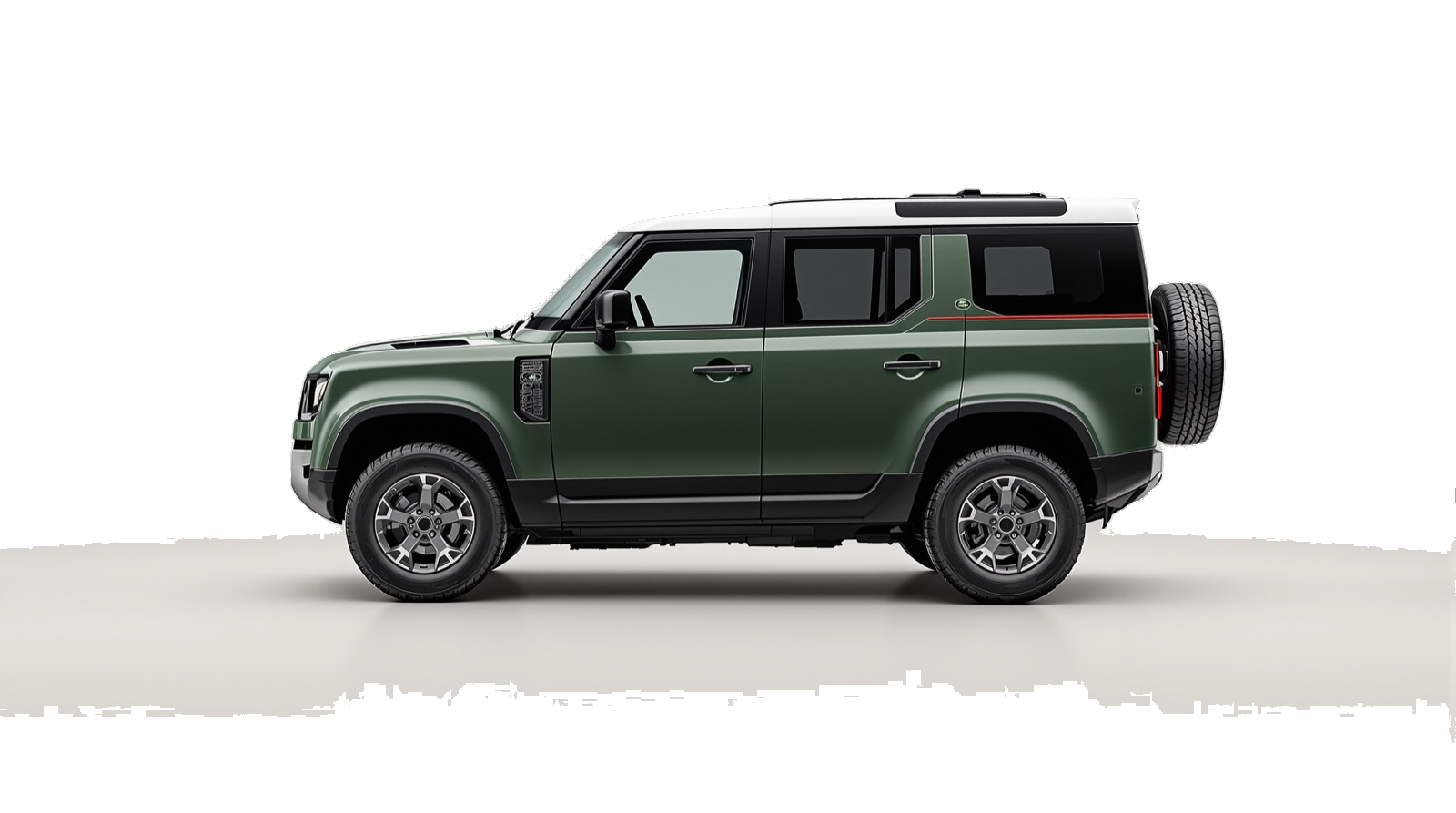 Defender
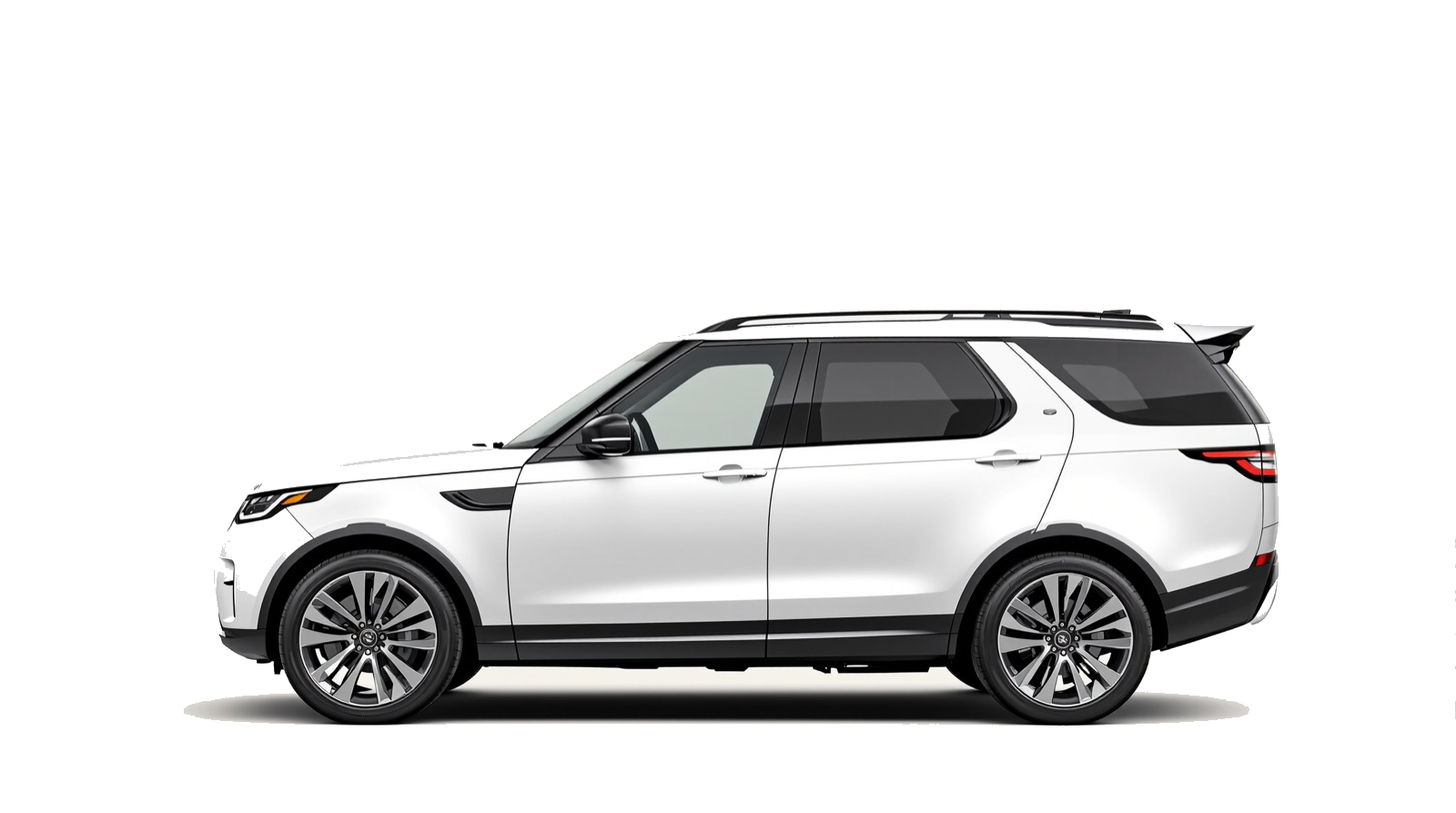 Discovery
 Velar & Evoque
 Freelander
Nine in ten DPFs the dealer wants to replace are recoverable. Most blockages aren't the filter — they're something upstream creating the soot in the first place. Find that, fix it, and the DPF works for another 100,000 km.
When a DPF blocks, the dealer's answer is usually a new DPF at $4,500. That misses the question: why did it block in the first place? A working diesel exhaust system regenerates the DPF automatically — if it's blocking, something else is wrong.
Most blockages we find come from an upstream fault: a cracked exhaust manifold, a failing differential pressure sensor, a stuck EGR, a faulty NOx sensor, or short-trip-only driving. Fix the root cause, clean the DPF properly, and you save $3,500.
The dealer's go-to is a new DPF + fitting at $4,500+. That ignores why the filter blocked — usually a $200 sensor or a $300 exhaust repair that put it there.
Diagnose upstream first — smoke test, scope sensors, scan the data. Clean the DPF properly, fix the actual cause, and you save $3,500. We do this every week.
Live pressure data across the filter, scope the differential pressure sensor, smoke test the exhaust system. Find why it blocked — not just that it's blocked.
Forced regen on the scan tool, ultrasonic clean if needed, ash measurement. Properly cleaned, a DPF lasts another 100,000 km easily.
AdBlue heater, dosing module, NOx sensor diagnosis. The countdown-to-no-start warning resolved before it gets there.
OEM sensor replacement — the cheap part that's often the actual fault behind a DPF code. $200 fix instead of $4,500.
EGR cooler crack, stuck EGR valve, soot build-up service. The most common upstream cause of DPF overload.
Pinhole leaks, manifold cracks, gasket failures. Tiny upstream leaks throw off the DPF's regen cycle — we weld, reseal, and verify.
Range RoverRange Rover SportDefenderDiscoveryVelar & EvoqueFreelanderEvery DPF code tells a story. Here's what the most common ones actually mean, and what they usually turn out to be.
Generic DPF efficiency code. Often a differential pressure sensor fault, not the DPF itself.
Short-trip driving prevents the cycle finishing. One forced regen on the scan tool gets it caught up.
SCR / AdBlue efficiency. NOx sensor or AdBlue dosing module, almost never the SCR cat itself.
ECU has dropped power to protect the engine. Diagnose immediately — continued driving damages the DPF and the turbo.
Quality or dosing fault. Top-up doesn't always clear it — sensor or pump may need replacement before the countdown hits zero.
DPF can't keep up, or there's a fuelling fault upstream. Pressure and scope tests find which.
SCR catalyst overheating, usually from a partial blockage. Diagnose before you can smell it from inside the car.
EGR cooler crack — the coolant ends up in the exhaust and ruins the DPF. Catch it early or you'll need both.
Smoke test the full exhaust system, scope the differential pressure sensor, read live pressure across the DPF. We find any upstream leak or sensor fault before touching the DPF.
Whatever's driving the blockage gets fixed first — exhaust crack, sensor, EGR, AdBlue. Then we forced-regen or ultrasonic clean the DPF itself.
Live data confirms the DPF is back inside spec. Scan-tool reset clears the soot-load counter. Road test under load to verify the regen cycle works on its own.
"My Discovery 4 had been in limp mode on and off for six months. Two shops replaced the DPF — didn't fix it. Michael did a smoke test, found a tiny exhaust manifold crack upstream, welded it and cleaned the DPF properly. $900 instead of another $4,500 in parts. Hasn't thrown a code since."
Before you accept the dealer's quote for a new DPF, get a second opinion. We'll smoke-test, scope the sensors, and tell you what's actually going on — usually for under $1,000.