Suitable for every Land Rover
Every model. Every generation.
 Range Rover
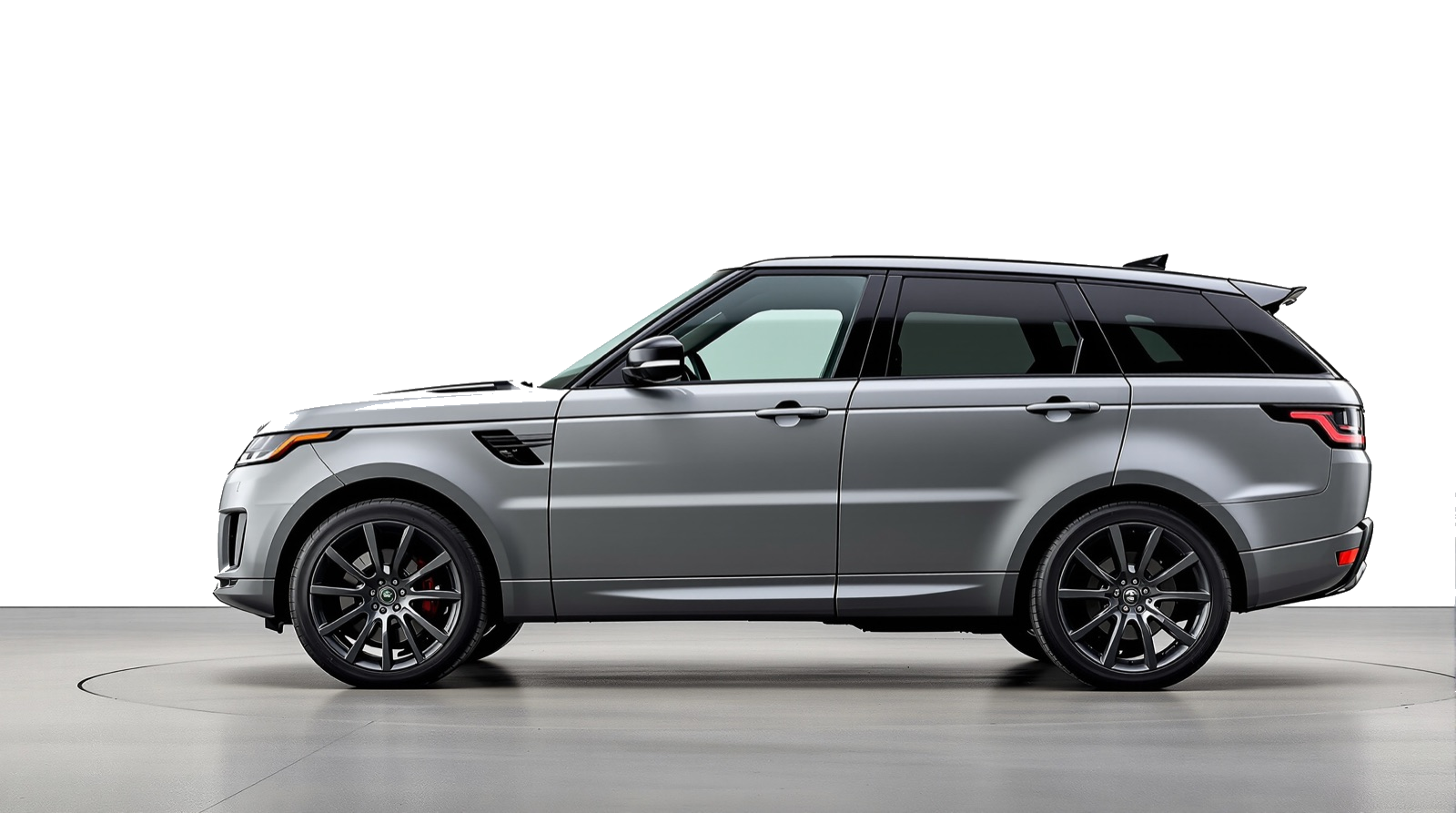 Range Rover Sport
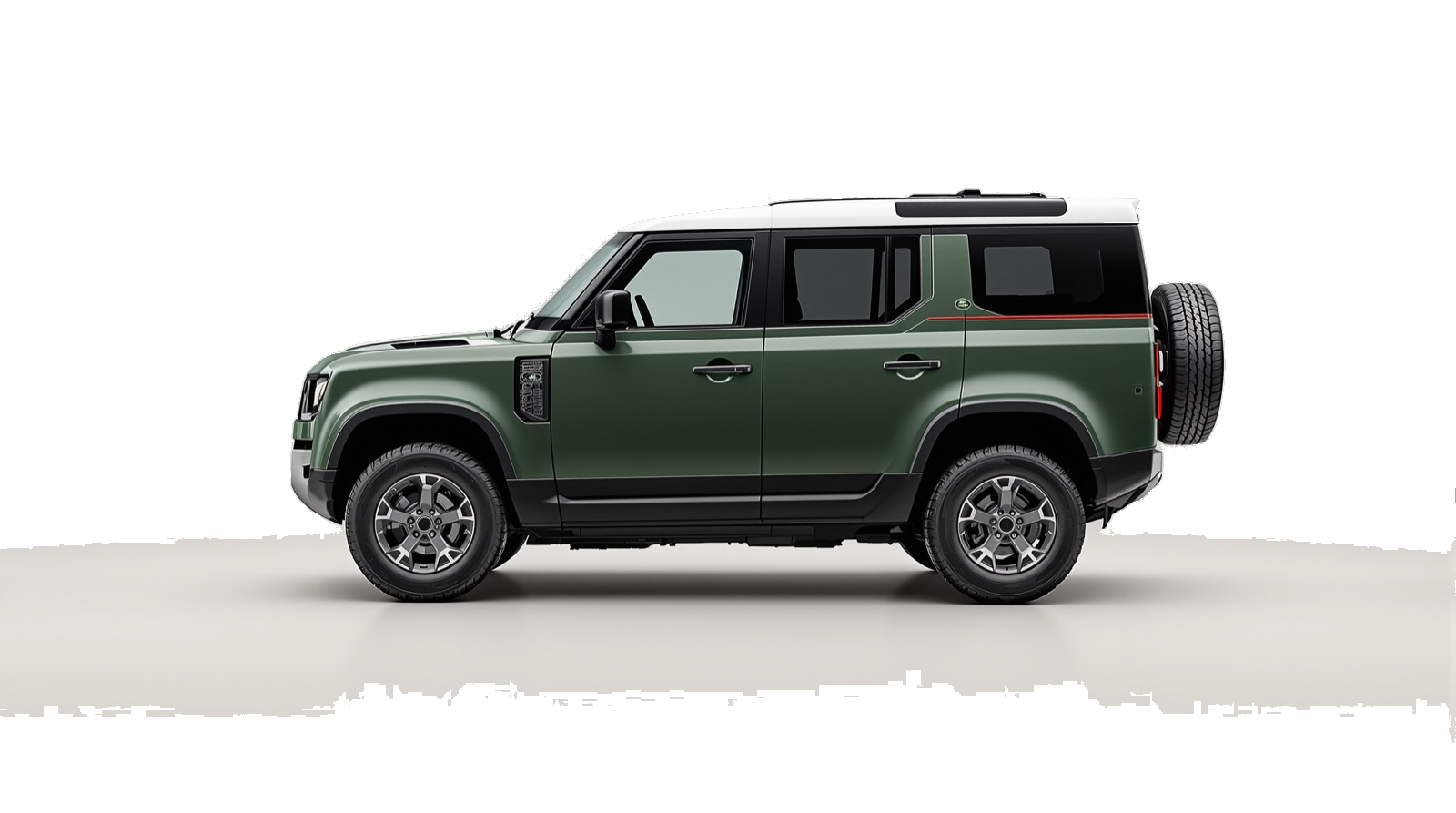 Defender
 Discovery
 Velar & Evoque
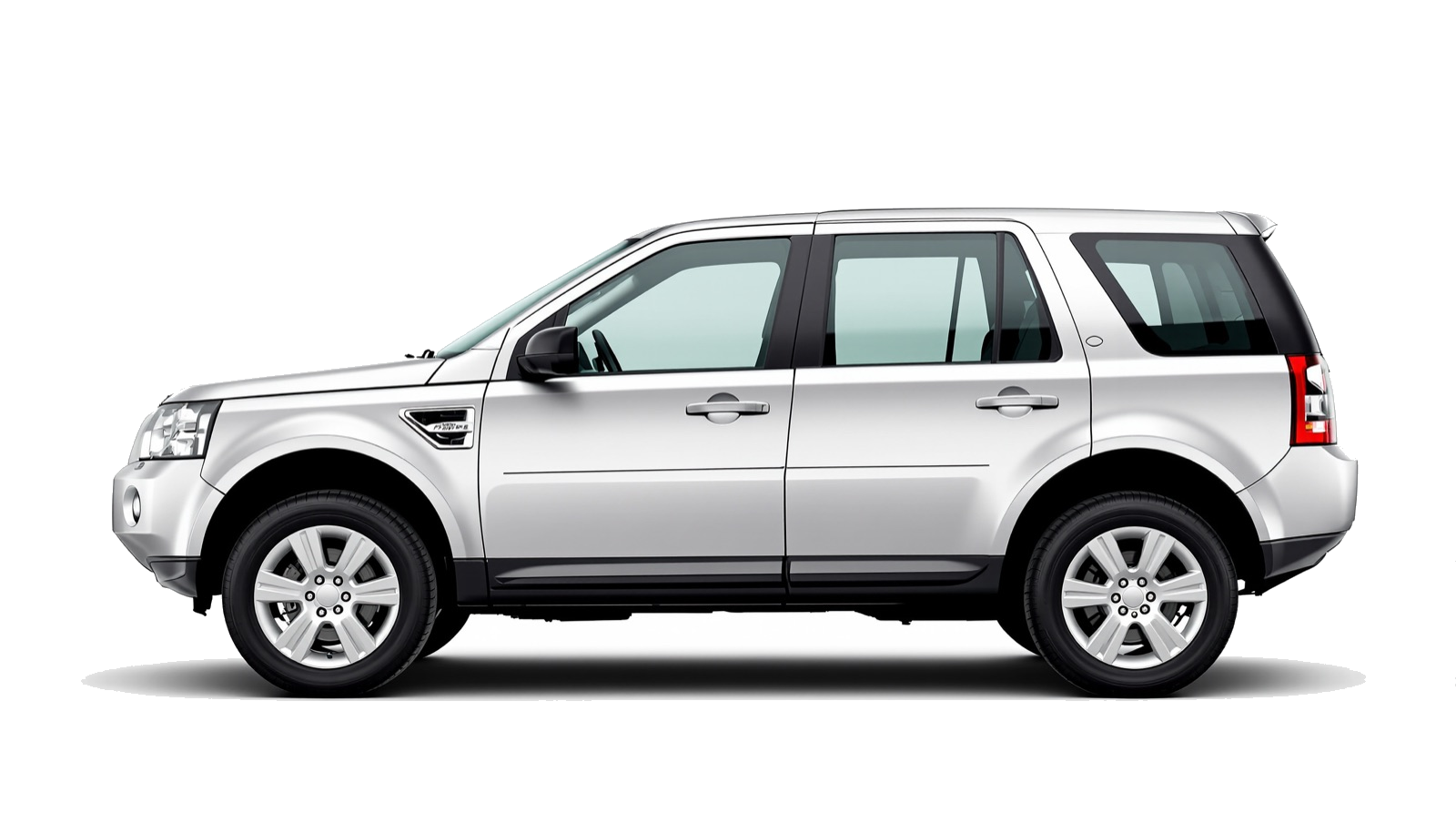 Freelander
Anyone can plug in a scanner and read a fault code. That's how a $200 sensor becomes a $2,000 misdiagnosis. We scope the signals — find the actual failure, not the part the code points to.
Most workshops plug in a scanner, read a fault code, and replace the part the code names. That's not diagnosis — that's guessing with extra steps. Land Rovers throw misleading codes constantly: a "fuel pressure" code is rarely the pump; a "transmission solenoid" code is rarely the solenoid.
A PicoScope shows the actual voltage waveform of every sensor and solenoid in real time. We can see which sensor is reading wrong, which wire has resistance, which solenoid isn't firing. We find the failure, not the symptom — and you don't pay for parts that didn't need replacing.
Most workshops — dealers included — diagnose by reading codes and swapping the named part. Here's what happens when the code is misleading. (Spoiler: it usually is.)
Every module on the CAN bus — engine, transmission, ABS, body, infotainment. Stored, pending and freeze-frame codes, with the real meaning behind each.
Live voltage and current waveforms on injectors, sensors, solenoids, ignition coils. The "is this part actually working?" question, answered visually.
Voltage drop tests, continuity checks, harness scope on suspected wires. We find the broken trace inside the loom — the thing the parts cannon never fixes.
Buying a used Range Rover? We scan every module, scope the engine, check service history against the actual condition. You walk away knowing what you're really buying.
Dealer or another workshop gave you a quote that feels off? Bring it in. We'll diagnose independently and tell you straight whether the quote is fair — or wildly overpriced.
BCM coding, key programming, adaptation resets, sensor relearns. The "the new part is installed but the car doesn't know it" piece — done with the factory tool.
Range RoverRange Rover SportDefenderDiscoveryVelar & EvoqueFreelanderThese are the cases where a real diagnosis pays for itself ten times over — usually because the cheap part the code points to isn't actually the fault.
Engine + transmission + ABS lights all on at once. Usually one root cause — often a bad ground, a CAN-bus issue, or low battery voltage. We trace the root, not every warning.
Comes on, goes off, won't reproduce in the workshop. We log live data while you drive it, capture the fault in the act, then scope the suspect circuit.
New sensor in, same code back. Means the sensor wasn't lying — something upstream is. Scope the wiring, ground, supply voltage, and the part it's reporting on.
"$12,000 for a transmission rebuild." Sometimes it's right — usually it's not. We diagnose independently, often saving 60–90% of the quote.
Hard intermittent faults need the right tools and the patience to scope properly. Most "unfixable" Land Rovers we see are fixed inside two days.
Wakes up dead overnight. Module not sleeping, accessory drawing current, parasitic load. We sniff each fuse with the amp clamp to find the exact circuit.
Sure sign the fault is real — not a glitch. Live-data session to catch it in action, scope the suspect input, identify the failing component.
Down on power, doesn't feel right, scanner reads zero faults. Common with boost leaks, MAF drift, partial DPF blockage. Datalog + scope is the only way to find it.
When does it happen, what does it feel like, what's been done already, what was the quote elsewhere. Half the diagnosis is in the interview — we just ask the right questions.
Full system scan, freeze-frame analysis, Pico waveform on the suspect circuit. Road-test logging if it's intermittent. We don't stop until we've isolated the actual failing component.
A printed report with what we found, what to fix, what it'll cost. With screen captures and scope traces where relevant. You can take it elsewhere — we don't hold information hostage.
"My Discovery 4 had been in limp mode on and off for six months. Two shops replaced the DPF — didn't fix it. Michael did a smoke test, found a tiny exhaust manifold crack upstream, welded it and cleaned the DPF properly. $900 instead of another $4,500 in parts. Hasn't thrown a code since."
Bring it in for an independent diagnosis. We'll scope it properly and give you a written report you can take anywhere — with our quote, or without it. Most diagnoses done inside two hours.