Suitable for every Land Rover
Every model. Every generation.
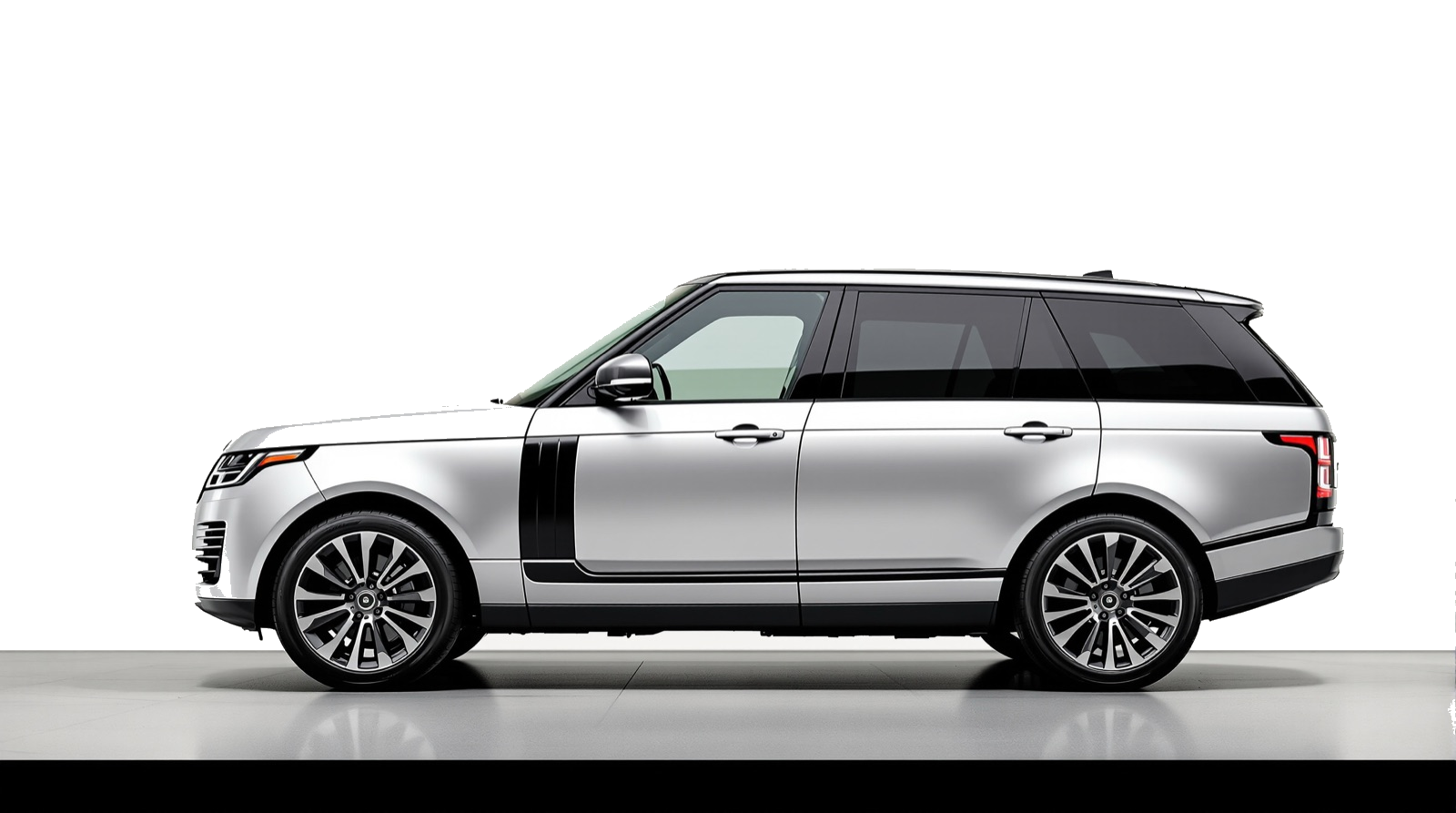 Range Rover
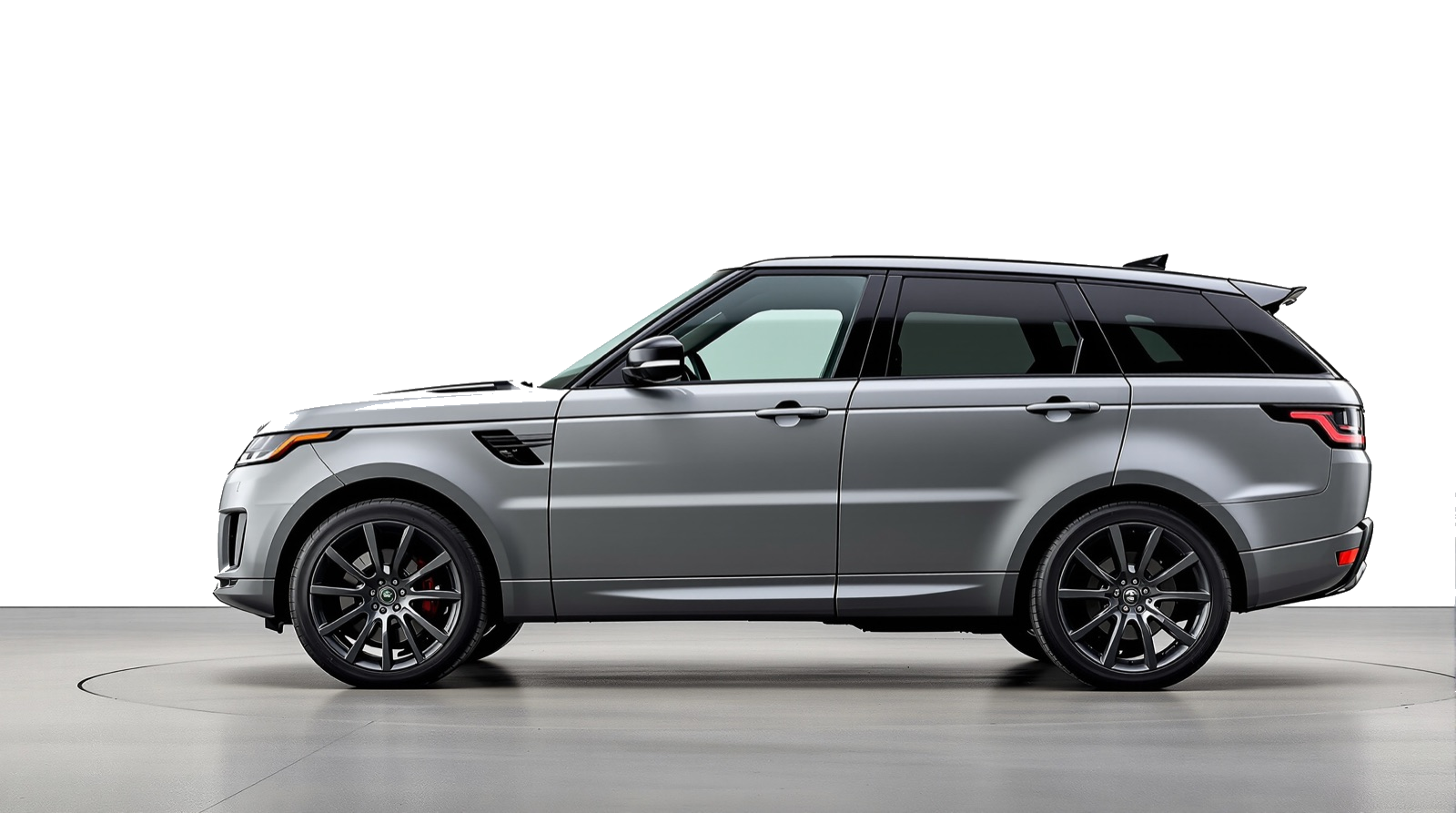 Range Rover Sport
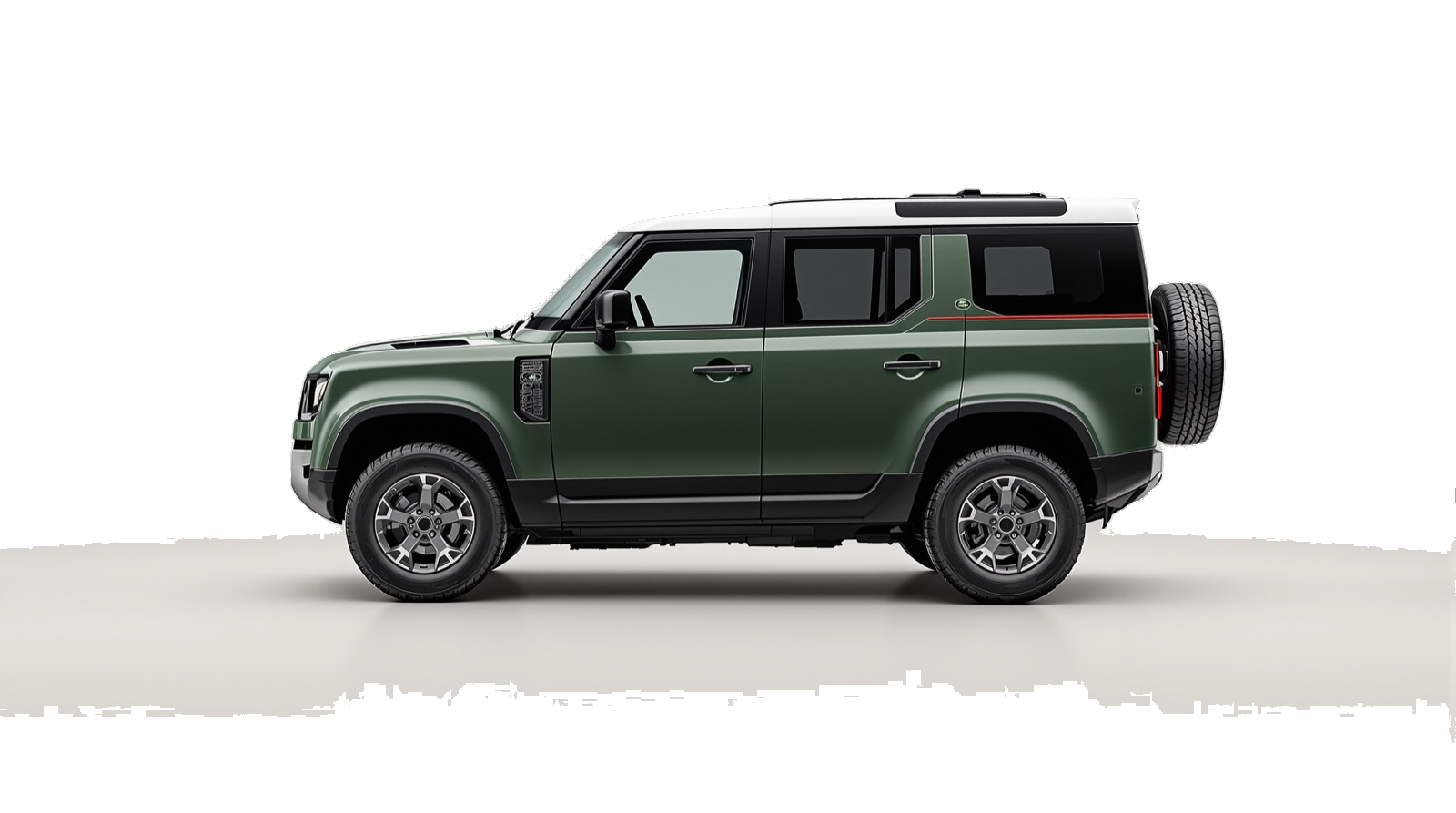 Defender
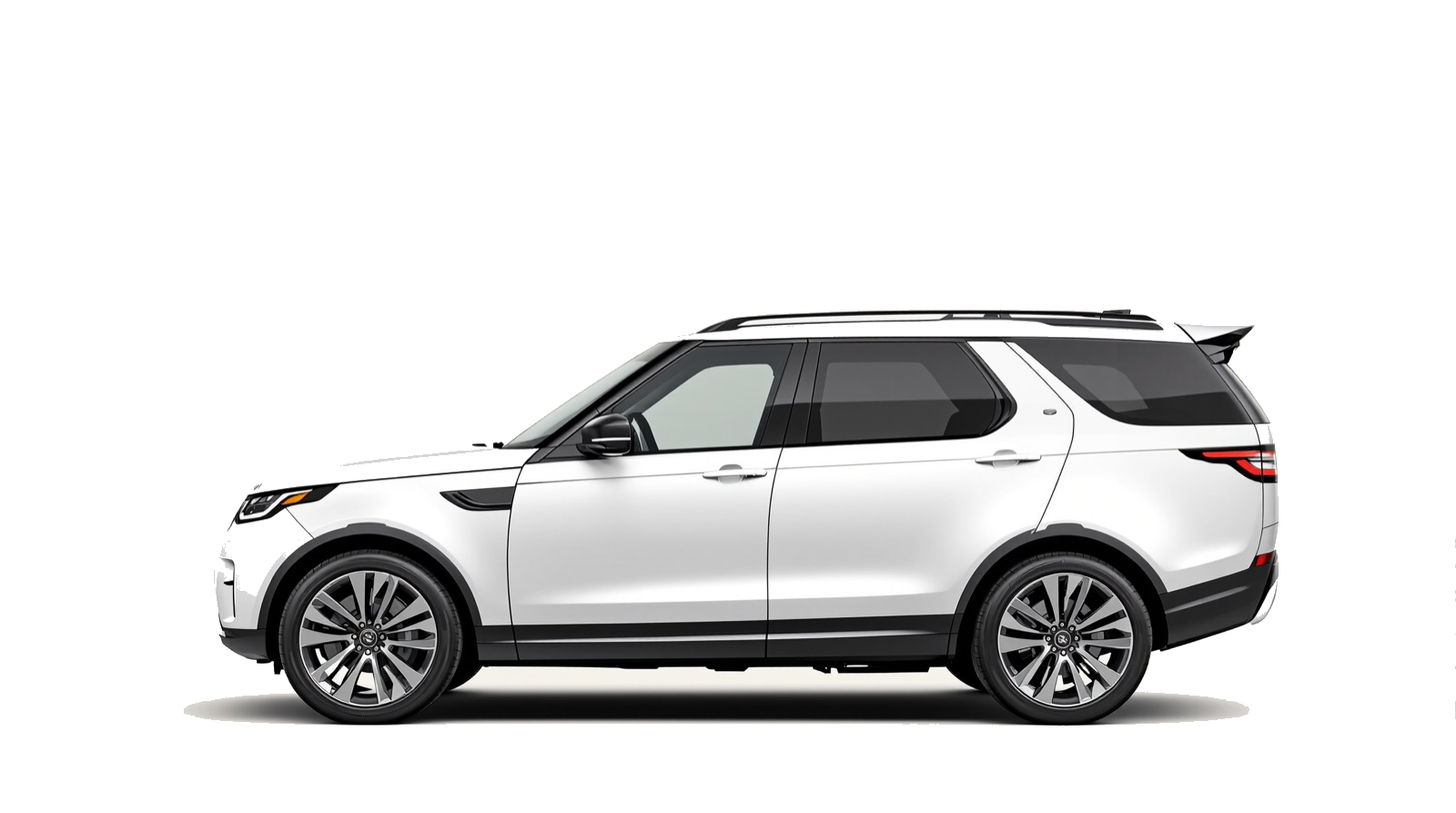 Discovery
 Velar & Evoque
 Freelander
Brake fluid absorbs moisture from the air. As it does, the boil point drops — and the next emergency stop is the one where the pedal goes soft. Every 2 years, OEM spec. Most Land Rover owners have never had it done.
Brake pads wear visibly. Rotors wear measurably. Brake fluid degrades invisibly — and most Land Rover owners have never had a brake fluid flush done. DOT 4 is hygroscopic: it absorbs moisture out of the air through the rubber seals and master cylinder vent. Three to four years in, the fluid is 3% water by volume.
That water lowers the boil point from 230°C to under 140°C. The first time you do an emergency stop or a sustained downhill descent on a heavy car, the fluid boils, bubbles form, and the pedal goes to the floor. The fix is a $200 service every 2 years.
It absolutely doesn't. Land Rover specifies brake fluid replacement every 2 years, but it's not in the basic logbook schedule the dealer hands you. Most Land Rovers we see have never had a fluid flush.
A brake fluid flush is the cheapest insurance on a heavy car — and a Range Rover or Defender weighs 2.5 tonnes. Boiling brake fluid on a downhill descent is the kind of fault you don't get to learn from.
Full system flush with OEM DOT 4. Every 2 years on every Land Rover — the cheapest insurance you'll ever buy on a 2.5-tonne car.
OEM pads, OEM rotors, factory torque. We don't fit aftermarket discount pads on a Land Rover — the friction coefficient and dust profile matter.
Where the caliper body is sound, we rebuild rather than replace — new seals, new pistons, new bleed nipples. Half the price of OEM new.
ABS module faults diagnosed, replaced and coded via JLR factory tools. Wheel speed sensor replacement and calibration.
EPB actuator faults, calibration after pad replacement, fault reset via scan tool. The piece most independents skip on rear pad changes.
Test strip and electronic tester — we measure exactly how much moisture is in the fluid before we decide if you need a flush or a full service.
Range RoverRange Rover SportDefenderDiscoveryVelar & EvoqueFreelanderBrake faults are usually obvious — but the diagnosis matters. Here's what each one usually turns out to be.
Air in the lines or moisture in the fluid. Fluid flush almost always restores the firm pedal.
Pads worn or wrong pads fitted. OEM pads have specific friction profiles for these cars — discount aftermarket squeals.
Pads through to the metal backing — replace immediately, rotors usually also need replacement. Don't drive it home.
Electronic park-brake actuator stuck. Scan tool can usually force it open — we resolve same-day.
Stuck caliper piston, kinked brake line, or uneven pad wear. Caliper rebuild fixes most cases.
Wheel speed sensor (cheap) or ABS module (expensive). Scope the sensor first — saves the module replacement.
Warped rotors from sustained heavy braking, often on towing trips. Machined or replaced — we measure runout first.
Years overdue for a flush. The fluid is supposed to be clear amber — dark means it's full of moisture and contaminants.
Brake fluid moisture and copper content tested with proper instruments. Pads measured, rotors checked for runout, calipers visually inspected for leaks and stuck pistons.
OEM DOT 4 fluid, full system flush, all four corners bled to clean fluid. Pads and rotors only if measurement says so — we don't replace good brakes.
Brake bleed sequence verified, EPB calibrated via scan tool, road test under controlled braking. Pedal feel verified, no warnings logged. Done.
"Asked Michael to check the brakes on my Range Rover Sport before a Snowy Mountains trip. He measured moisture in the fluid at almost 4% — said the pedal would go soft on a long descent. Full flush + a Brembo caliper rebuild. Confidence inspiring on the way down through Khancoban."
If you can't remember the last time the brake fluid was flushed, that's the answer — it's overdue. Book a 2-year service while you're thinking about it.